Why is Candida so confusing?
In the last Candida article, I outlined some of the basics when it comes to Candida overgrowth, and how Candida can cause bloat, irritable bowels, and symptoms elsewhere in your body such as low energy, brain fog and chronic headaches and joint pain.
These basics are important, but I think it is important to go a little deeper when we’re discussing this awkward little intestinal invader.
In this article, I want answer questions such as:
- Why can one person have Candida and feel ok, when someone else feels lousy?
- Why does Candida cause so many different symptoms that vary from person-to-person?
- Why is it so hard to get rid of Candida permanently – why does it keep returning?
Let’s dive in.
A quick review of the Candida basics you learned last time
- Candida is a yeast, that can turn into a fungus and grow roots called hyphae into the gut wall
- It is part of the normal gut flora, but overgrowth is troublesome.
- Reduced immune function and damage to the microbiome can trigger Candida overgrowth.
- Candida itself causes symptoms, but is NEVER the true root cause of the problem.
- Specific triggers include poor diet, low stomach acid, bacterial and parasitic infections, antibiotics and stress (lifestyle plays a huge role).
- Digestive symptoms can include bloating, heartburn, gas, diarrhea, constipation.
- Non-digestive symptoms can include fatigue, brain fog, hormone imbalances, headaches, muscle and joint pain, skin problems.
- Doctors don’t really acknowledge intestinal Candida overgrowth, even though they acknowledge oral, oesophageal, sinus and genitourinary Candida infections.
- Medical testing for intestinal Candida is virtually non-existent, as doctors do not believe it is a problem.
Is Candida really the problem?
Let’s expand on two of the most important bullet points listed above (specifically, points 3 and 4).
I’ll make a bold statement:
Candida is never the real underlying problem – it can only overgrow when your body provides the right environment for it to do so.
Here are the most frequent reasons Candida overgrows, in my experience:
- A single course, or repeated courses, of antibiotics, which disrupt the friendly microbes in your gut and allow Candida to overgrow.
- Poor diet, which reduces immune function; Candida loves sugar, so if the diet is high in refined carbohydrates, there is a tendency for Candida to proliferate.
- Excessive alcohol or recreational drug consumption, both of which reduce immune function (Candida also loves the sugars in alcoholic drinks).
- Poor eating habits such as eating late at night (after 7pm), eating on the go and inadequate chewing, all of which slow digestion down, meaning there is more food for Candida.
- Low stomach acid, which is very common, and poor pancreas, liver and gallbladder function, all of which reduce digestive efficiency and favour Candida overgrowth.
- Food poisoning, or a primary infection such as H. pylori or parasites can disrupt gut and immune function, leading to Candida overgrowth (for example, H. pylori can reduce stomach acid, which Candida loves!)
- Antacid over the counter meds, and prescription acid blockers (H2 blockers like Zantac, and PPI such as omeprazole, lanzoprazole, etc.), which slash stomach acid levels, leaving you more vulnderable to Candida and bacterial infections.
- Emotional stress, which reduces immune function significantly. Bereavement, financial problems, disliking a dead-end job, relationship issues, and even things like
- Nutrient deficiencies and hormone imbalances; for example, adrenal fatigue and hypothyroidism can lead to Candida overgrowth.
I could go on, but I am sure you get the picture. The point is that Candida only overgrows when it has the opportunity to do so.
AIDS patients as examples
This concept is well illustrated in AIDS patients.
People with fully developed AIDS have a very weak immune system, and these people often succumb to severe Candida infections that spread throughout the body.
But not having AIDS doesn’t mean your immune system is 100% healthy.
We can all lose some immune strength through stress and poor diet, and only a small decline in immune function is needed for these opportunistic bugs to get a foothold.
I use a scale of Vitality Scale to illustrate how a decline in life force opens you up to digestive invasion by parasites, bacteria and Candida.
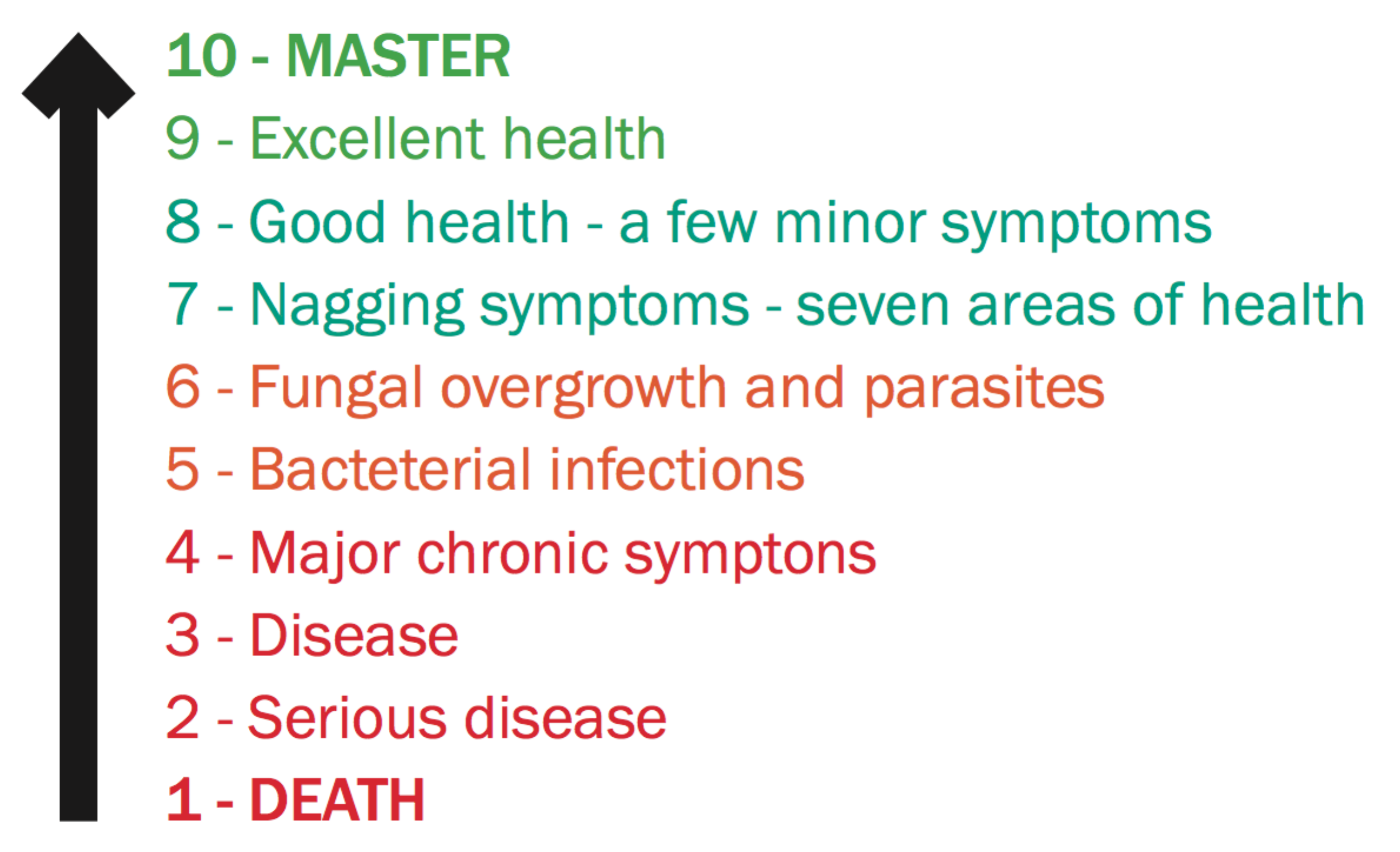
Obviously, the scale is arbitrary, but it’s a helpful illustration of an important concept.
If your vitality drops to a 5 or 6, you will find that unwanted bugs begin to thrive in your body, especially the entry and exit points to your body like your sinuses, mouth, lungs, digestive tract and genitourinary tract.
Most people who seek our help have already descended the ladder to a 5 or 6.
Why is this important for Candida treatment?
The reason this is important is simple: Removing Candida might not be enough to move you back up the scale.
To truly get well, you will also need address the reasons for the overgrowth.
If you do not address the real reasons the Candida has overgrown, it will come back (or something else will take its place).
This is why so many people struggle to shake off chronic Candida problems: they take the right meds and herbs, but they don’t restore optimal function to the digestive tract and immune system.
An effective program for Candida treatment usually requires:
- Taking meds or herbs to reduce Candida numbers
- Optimising digestive function by supporting stomach acid and pancreas function
- Improving immune system function
- Taking care to eat healthily and optimise lifestyle habits
A healthy diet and lifestyle habits to improve immune function provide the foundations for this process, with specific supplements or medications on top (I’ve written about Candida diets here).
I don’t recommend you rely solely on medications or herbs to kill Candida, while ignoring the other important steps.
Why are Candida symptoms so confusing?
Another reason Candida can be confusing is that is will not cause the same symptoms in everyone.
Symptoms of gastrointestinal Candida overgrowth are non-specific, which means they do not cause a special or bespoke set of symptoms in each person.
Sure, Candida overgrowth has a typical symptom footprint of bloating, gas, abdominal pain, constipation or diarrhea.
But one person could have bloating only, and another might have abdominal pain only.
Another person might present with all of the above symptoms, with constipation and diarrhea alternating from day-to-day or week-to-week.
To make things even more confusing, some people have a strong Candida overgrowth and have no digestive symptoms at all.
Instead, these people might feel tired, depressed, or they may struggle with brain fog, headaches and painful joints.
Others still might have pimples and boils on the skin, along with low sex drive or menstrual symptoms such as PMS.
Yes, Candida overgrowth can cause or contribute to all these symptoms, and more.
Why different people have different Candida symptoms
You’re a unique person!
Human beings are not the same. We all have genetic differences that affect how we respond to the environment.
Furthermore, we all have different diets, stress levels, activity levels and, thus different immune systems.
Because of all these differences, in my opinion it is not a very good idea to compare yourself with other people.
Looking at others and wondering why they’re so energetic and healthy, or why their skin is in perfect condition, only leads to more stress.
Instead, in my humble opinion, it is more fruitful to focus on your own situation and take the appropriate steps to get yourself well.
Candida isn’t the only nuisance!
As well as obvious differences between humans, Candida and other fungal organisms are not created as equals.
- There are different types of Candida – Candida albicans, Candida tropicalis and Candida glabrata, for example.
- Other types of fungal and mold overgrowth include Geotrichum, Rhodotorula, Aspergillus and Microsporidia.
I personally had Aspergillus overgrowing in my intestine, and as grim as it seems, I saw it floating in the toilet bowl when I used a powerful anti-fungal protocol to remove it.
Here are some photos of three different fungal and mold organisms:
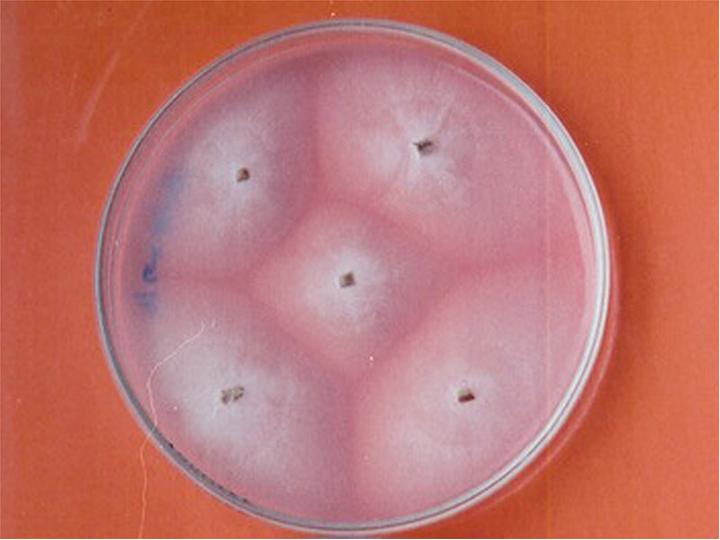
The top one is Geotrichum grown in a dish – we see this in stool tests.

These critters are all types of Aspergillus
(I saw this floating in the toilet bowl when I cleansed my gut – yuk!)

This one is Rhodotorula, grown in a lab dish. We also see this one in stool test results from time to time
Different bugs = different symptoms = common sense…
It’s common sense that these different bugs have the potential to create different health complaints in different people.
When we use stool tests, we’re able to determine which organisms are overgrowing and correlate the results with a person’s health history and symptoms.
For example, the snippet below shows a stool test result where both Candida albicans and Geotrichum have overgrown.

Other people may only have one or the other, and some people will also have bacterial imbalances and/or parasites (e.g. H. pylori, Giardia, Blastocystis).
There’s no need to be confused!
Breaking things down into a few simple sentences:
Candida and other fungal and mold organisms don’t always cause the same symptoms in different people, so I don’t recommend comparing yourself to other people you know, or people you find on the Internet
Candida will often come back unless you address the reasons it overgrew in the first place (e.g. poor diet, low immune function, other infections, low stomach acid, etc.)
The amount of Candida found in a test does not necessarily correlate with symptoms: some people can have a small overgrowth and feel lousy, and some can have a big overgrowth and feel okay.
Candida and other fungal symptoms are non-specific: they can cause a multitude of different symptoms in different parts of the body (we’ll explore why this happens in a separate article).
Is Candida causing your symptoms?
I don’t like it when people are confused because there is no need. It just takes a little bit of investigation to uncover why symptoms have developed.
Back in 2007 I had heartburn, bloating, loose and smelly stools, anxiety, low energy, no sex drive, and dandruff.
These symptoms were being caused by a combination of H. pylori, Aspergillus (a mold overgrowth that we haven’t discussed yet) and a parasite called Blastocystis hominis.
I would have never known how to get rid of my symptoms had I not used lab testing to uncover the root cause.
Because of the testing, I was able to easily overcome my symptoms and get my life back by using laser-targeted protocols to erase the bad bugs and get my gut working properly again.
We see people get similar results time and again: just find the cause or causes, and deal with them.
I know providing a stool sample isn’t the most pleasant thing to do, but it’s more pleasant than walking round feeling like half a person, and all the stress that goes along with it.
Getting well doesn’t have to be complicated, it just means doing the right things in the right sequence.
Or, if you’d prefer to arrange a case review or consultation without the stool test, click here.
Best,
Dave.
Disclaimers
The information contained herein is for educational and informational purposes only and should NOT be used as a substitute for the advice of a health care provider.
These statements have not been evaluated by the FDA. None of the products offered herein are intended to diagnose, treat, cure or prevent any disease. If you are pregnant nursing, taking medication, or have a medical condition, consult your physician before using any of the products offered herein.
Medical disclaimer: Any health information provided on this website should first be vetted by your own physician. Do not attempt to change your diet or any other activity related to your health based on information from this site unless you have first cleared it with your own medical doctor.
Results disclaimer: Any results, testimonials and comments published on this site are in no way a suggestion or guarantee of results. Your level of success in getting results similar to any success story on this site depends on several factors: your biochemical individuality, diet, background, motivation, commitment, and actions. Clearly, results vary from person to person.
2018 © Copyright by Health For The People Ltd. All Rights Reserved. | Dave Hompes | Google + | Sitemap | Terms | Privacy | Cookie Policy | Web Design Company